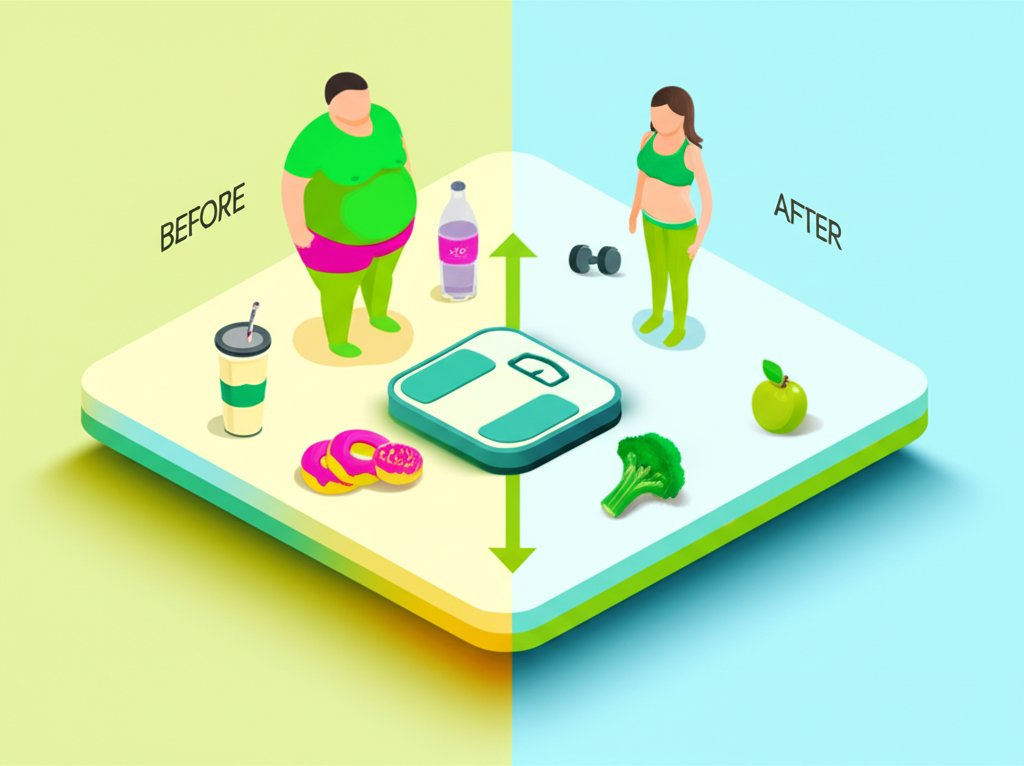
Getting started on a weight loss journey can feel overwhelming, but focusing on a manageable target like "lost 10 lbs before and after" can be incredibly motivating. Seeing those tangible results, even from a relatively small initial goal, proves that progress is possible and builds the confidence you need to keep going. It’s not just about the numbers on the scale; it's about observing subtle shifts in how your clothes fit, how your body feels, and the boost in energy that comes with shedding those first few pounds.
At a Glance
- Why 10 Pounds Matters: Understand the significant health and psychological benefits of losing even a modest amount of weight.
- Setting Your "Before": Learn how to accurately document your starting point for a truly impactful before-and-after comparison.
- Practical Steps for Success: Discover actionable strategies for nutrition, movement, hydration, and lifestyle adjustments.
- Beyond the Scale: Explore non-scale victories and effective tracking methods that keep you motivated.
- Navigating Common Hurdles: Get expert tips for overcoming plateaus, managing cravings, and staying consistent.
- Inspiring Real-World Examples: See how others successfully dropped 10 pounds through simple, sustainable changes.
The Power of Ten: Why This Milestone Inspires
Losing 10 pounds might seem like a small drop in the bucket for some, but it's a profound and achievable milestone that packs significant benefits. Psychologically, it offers a tangible "win" early in your journey, confirming that your efforts are paying off. This immediate positive reinforcement can be crucial for sustaining motivation and transitioning from short-term dieting to long-term lifestyle changes.
From a health perspective, shedding just 5-10% of your body weight can lead to notable improvements in various markers. For someone weighing 200 pounds, a 10-pound loss is a 5% reduction. Studies consistently show that this modest loss can improve blood pressure, lower cholesterol levels, enhance blood sugar control, and reduce the risk of type 2 diabetes and heart disease. It can also alleviate strain on joints, particularly knees and hips, making daily activities more comfortable. This initial success sets a positive trajectory for both your physical and mental well-being.
Crafting Your "Before": Setting the Stage for Success
To truly appreciate your "lost 10 lbs before and after" transformation, you need an accurate and honest "before." This isn't about shaming yourself; it's about creating a factual benchmark that highlights your progress. Think of it as your starting line for a race you're definitely going to finish.
Begin by taking "before" photos. Stand in good, consistent lighting, ideally in minimal clothing (swimsuit or athletic wear) to clearly show your body's contours. Take shots from the front, side, and back. Repeat this process in the same location and clothing when you reach your 10-pound goal. Beyond photos, grab a measuring tape. Note down your waist, hips, chest, thigh, and arm circumference. These non-scale measurements often reveal changes even when the scale seems stuck. Finally, record your starting weight, acknowledging that daily fluctuations are normal. This comprehensive "before" data will paint a vivid picture of your journey.
The Blueprint for Dropping 10 Pounds: Practical Steps
Successfully losing 10 pounds boils down to consistent, sustainable habits. There's no magic bullet, just smart choices consistently applied.
Calorie Deficit with Strategy
At its core, weight loss requires consuming fewer calories than your body burns. However, it’s not about severe restriction. A moderate daily deficit of 500-750 calories is usually enough to lose 1-1.5 pounds per week, making a 10-pound loss achievable in 2-3 months. Focus on small, impactful changes. For instance, swapping a daily sugary soda for water can save hundreds of calories a week. Opt for a black coffee instead of a fancy latte, or use a vinaigrette dressing instead of creamy alternatives. These seemingly minor adjustments add up significantly without feeling like a deprivation.
Smart Nutrition Choices
Prioritize whole, unprocessed foods. Lean proteins (chicken, fish, beans, tofu) help you feel full and preserve muscle mass during weight loss. Fiber-rich foods like fruits, vegetables, and whole grains add bulk and satiety, making you less likely to overeat. Reduce your intake of refined carbohydrates (white bread, pasta, sugary snacks) and unhealthy fats.
- Snippet: Instead of a bagel for breakfast, try Greek yogurt with berries and a sprinkle of nuts. This swap boosts protein and fiber, keeping you fuller longer and cutting unnecessary calories and refined carbs.
Movement That Sticks
You don't need to become a gym rat overnight. Incorporate more movement into your daily life. Aim for 30 minutes of moderate-intensity activity most days of the week. This could be brisk walking, cycling, swimming, or dancing. Even breaking it into 10-minute segments throughout the day works. Take the stairs instead of the elevator, park further away, or go for a walk during your lunch break. Consistency is more important than intensity when you're starting out.
Hydration Habits
Water is your unsung hero in weight loss. It helps you feel full, supports metabolism, and can even reduce cravings. Sometimes, what feels like hunger is actually thirst. Aim for at least 8 glasses of water a day. Keep a water bottle handy and sip throughout the day. Infuse water with fruit slices (lemon, cucumber, berries) if plain water feels boring.
Sleep and Stress Management
Often overlooked, adequate sleep and stress reduction play pivotal roles. Poor sleep can disrupt hormones that regulate appetite (ghrelin and leptin), leading to increased hunger and cravings. Aim for 7-9 hours of quality sleep per night. Similarly, chronic stress can elevate cortisol levels, encouraging fat storage around the midsection and potentially leading to emotional eating. Finding healthy ways to manage stress—be it meditation, hobbies, or spending time with loved ones—is vital. Sometimes, a good laugh can be the best medicine when you're feeling the pressure. You might even find some excellent perspective and lighthearted encouragement in some Funny quotes make dieting bearable, helping you keep stress at bay and stay on track.
Tracking Your Journey: Beyond the Scale
While the scale provides a quantitative measure, true progress goes far beyond a single number. Focusing solely on weight can be discouraging due to normal daily fluctuations.
- Non-Scale Victories (NSVs): These are the true indicators of a healthier lifestyle. Notice how your clothes fit better, how you have more energy for daily tasks, or how your mood and sleep quality improve. Perhaps you can walk further without getting winded, or your skin looks clearer. These NSVs provide powerful motivation and reinforce that your efforts are creating tangible, positive changes, even if the scale hasn't moved that day.
- Photos and Measurements: Revisit your "before" photos and measurements every few weeks. This is where your detailed "before" data pays off. Side-by-side photo comparisons reveal body recomposition that the scale simply can't. Measuring tape updates can show inches lost even if your weight stays the same, indicating muscle gain and fat loss. Documenting these changes helps you appreciate the full scope of your transformation and fuels your drive to continue.
Turning Challenges into Progress: Common Hurdles
Every weight loss journey has its bumps. Anticipating them and having a strategy can help you navigate them effectively.
Plateaus: What to Do When the Scale Stops Moving
Plateaus are frustrating but common. Your body adapts. If you hit a plateau, consider these adjustments:
- Re-evaluate Calories: Double-check your intake. Are you logging accurately? Have your portion sizes crept up? Your body might require slightly fewer calories now that you weigh less.
- Increase Activity: Add a new type of exercise, increase the duration, or up the intensity of your current routine.
- Prioritize Protein: Ensure you're getting enough protein to maintain muscle mass, which helps keep your metabolism active.
- Check Hydration and Sleep: Ensure these foundational elements aren't slipping.
- Take a "Diet Break": Sometimes, a strategic 1-2 week break at maintenance calories can reset hormones and allow your body to recover, making subsequent fat loss easier.
Social Pressures and Navigating Temptations
Social situations often involve food and drink, making them challenging. Develop strategies:
- Plan Ahead: If you're going to a party, eat a healthy snack beforehand so you're not starving.
- Mindful Indulgence: Choose one treat to enjoy rather than grazing on everything.
- Hydrate Smartly: Opt for sparkling water with lime instead of sugary drinks or excessive alcohol.
- Communicate: Politely decline tempting offers, or explain your goals to supportive friends and family.
Staying Motivated When Results Slow Down
Motivation naturally ebbs and flows. When results slow, reconnect with your "why." Remind yourself of your health goals, increased energy, or improved self-esteem. Look at your "lost 10 lbs before and after" photos, review your NSVs, and celebrate how far you've come. Set new, smaller, achievable goals. Perhaps focus on a new exercise challenge or trying a healthy new recipe each week, rather than solely on the scale.
Real-World Snippets: How Others Lost 10 Pounds
These brief examples illustrate that diverse approaches can lead to a 10-pound loss.
- Maria, 34, Busy Mom: Maria struggled with energy and relied on sugary snacks. She committed to drinking 64 oz of water daily and swapped her afternoon cookie for an apple with peanut butter. She also started taking a 20-minute walk with her kids after dinner. In 8 weeks, she lost 11 pounds.
- David, 28, Office Worker: David noticed his clothes were getting tight. He realized his main culprit was ordering takeout lunches daily. He started packing his own meals, focusing on salads with lean protein or leftover healthy dinners. He also committed to using the stairs instead of the elevator at work. He dropped 10 pounds in 6 weeks.
- Sophia, 22, Student: Sophia found herself snacking constantly while studying. She swapped processed chips and candy for air-popped popcorn, carrots, and hummus. She also downloaded a fitness app and began following 30-minute at-home workout videos three times a week. After 10 weeks, she had lost 10 pounds and felt more energized for her studies.
These examples highlight that consistency in small, targeted changes—not drastic overhauls—is often the most effective path to success.
Quick Answers to Your 10-Pound Journey Questions
How long does it typically take to lose 10 lbs?
On average, aiming for a healthy and sustainable rate of 1-2 pounds per week, you can expect to lose 10 pounds in about 5-10 weeks. Individual results will vary based on starting weight, metabolism, and adherence to your plan. Rapid loss often isn't sustainable or healthy.
Is losing 10 lbs healthy for everyone?
For most individuals who are overweight or obese, losing 10 pounds offers significant health benefits. However, if you are already at a healthy weight or underweight, consult a healthcare professional before attempting to lose weight. The focus should always be on sustainable health improvements, not just a number on the scale.
What if I regain the weight?
Weight fluctuations are normal, and a temporary regain isn't a failure. It's an opportunity to re-evaluate what might have led to it. Revisit your habits, track your intake and activity, and get back on track with the small, sustainable changes that worked for you. Consistency over perfection is key.
Do I need a strict diet plan?
Not necessarily. While structured plans can work for some, focusing on general principles like whole foods, portion control, adequate protein and fiber, and reducing processed items is often more sustainable. The goal is to build habits you can maintain long-term, not follow a restrictive diet you'll eventually abandon.
Your Actionable Next Steps: Starting Today
Ready to create your own inspiring "lost 10 lbs before and after" story? Here’s a quick roadmap to get you started:
- Document Your "Before": Take those photos (front, side, back), jot down your measurements, and record your starting weight. This crucial step fuels your future motivation.
- Identify One Small Change: Don't try to overhaul everything at once. Pick one achievable, sustainable change you can commit to for the next two weeks. Maybe it's replacing your sugary morning coffee, adding a 15-minute walk, or drinking an extra glass of water before each meal.
- Set a Realistic Timeline: Give yourself a reasonable timeframe, perhaps 6-10 weeks, to achieve your 10-pound goal. This allows for healthy, steady progress.
- Focus on Consistency, Not Perfection: You'll have good days and bad days. The goal isn't to be perfect, but to be consistent with your efforts most of the time. If you slip up, acknowledge it, and get right back on track with your next meal or opportunity.
The journey to better health starts with a single step, and the "lost 10 lbs before and after" milestone is a powerful motivator. By focusing on sustainable habits, embracing non-scale victories, and learning from challenges, you're not just losing weight; you're building a foundation for a healthier, more vibrant life. Start small, stay consistent, and celebrate every inch of your progress.